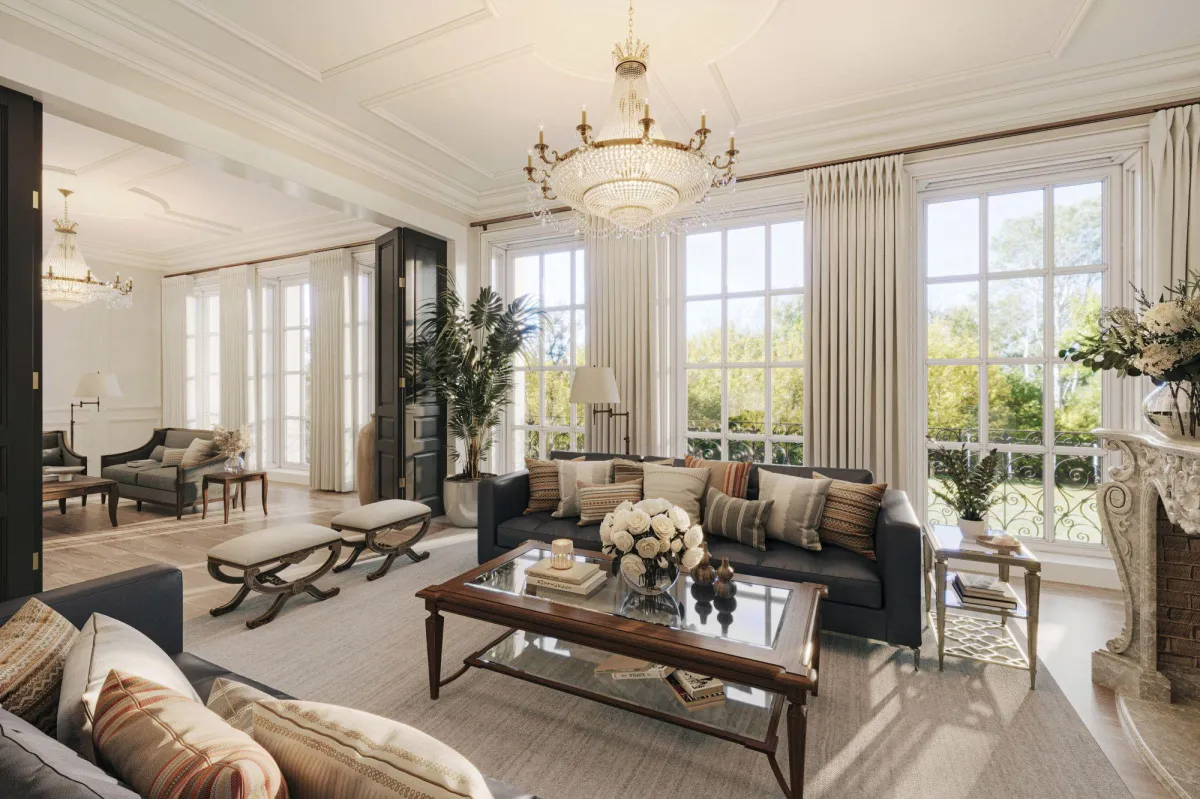
Drapery, Reimagined: Kelvin Design Group Adds The Bradley Collection
Drapery, Reimagined: Kelvin Design Group Adds The Bradley Collection
Kelvin Design Group now carries The Bradley Collection, a premium line of manual and motorized drapery hardware designed for refined interiors, complex window conditions, and whole-home control.
For years, KDG has helped shape rooms through architectural lighting and automated window treatments. When those two layers are considered together, a space feels calmer, more responsive, and more complete.
But there is a third layer that is often addressed too late: the drapery hardware itself.
The pole. The track. The brackets. The finish. The way a bay window turns a corner. The way a long span moves without calling attention to the mechanism. Too often, those details are treated as an afterthought, selected after the rest of the room has already been specified.
We are bringing that detail into the design conversation earlier.
Kelvin Design Group now offers The Bradley Collection, a UK-made drapery hardware line known for made-to-order finishes, refined manual systems, and motorized solutions for more demanding spaces.
What Makes The Bradley Collection Different
Two things made Bradley a natural fit for Kelvin projects: finish control and integrated movement.
More Than 100 Finish and Color Combinations
Bradley offers more than 100 finish and color combinations, ranging from brushed aluminum to hand-finished solid brass.
That matters in rooms where every visible detail has already been considered: lighting trim, cabinet hardware, plumbing fixtures, door levers, shade fascia, and furniture accents. Instead of settling for a close-enough curtain rod, the drapery hardware can be specified with the same level of intention as the rest of the interior.
Because Bradley hardware is made to order, it can support the finish language of the room rather than interrupt it.
Manual and Motorized Drapery Systems
Bradley's electric collections, including ePOLE, Drive, Elevate, and Linear, bring drapery into the same control conversation as lighting and shades.
That means drapes can be part of a lighting scene, a privacy setting, or an evening routine. A single command can lower shades, close drapery, and dim the room for the way the space is actually being used.
For purely decorative drapery, Bradley's manual collections provide the same attention to proportion, finish, and detail without adding motorization where it is not needed.
Motorized Drapery vs. Motorized Shades
Motorized drapery and motorized shades are related, but they solve different problems.
Motorized shades are often the day-to-day layer. They manage glare, privacy, heat, and changing light conditions close to the glass. They are the shades that lower at sunset, soften afternoon exposure, or protect a room from harsh daylight.
Motorized drapery changes the room itself.
Heavy drapes drawn across a wall of glass can warm the space visually, soften acoustics, frame the architecture, and create a more intimate evening setting. Drapery brings presence and atmosphere in a way that shades alone rarely can.
In many Kelvin projects, the most complete solution is both: a shade close to the glass for light control, with drapery on a Bradley track or pole for the finished architectural layer.
When both are integrated into the same control system, a single scene can coordinate the room: shades down, drapes closed, lights dimmed.
Where Bradley Fits in a Project
Drapery hardware is easiest to get right early.
That is especially true for bay windows, oversized openings, long spans, recessed pockets, ceiling-mounted tracks, and rooms where the hardware finish needs to coordinate with surrounding architectural details.
If you are already working with Kelvin Design Group, Bradley is worth discussing before the lighting and shade plans are finalized. If you are just starting a project, drapery hardware can now be considered from day one alongside lighting, automated shades, and the systems that shape how the room feels throughout the day.
Lighting, shades, and drapery should not feel like separate decisions. They should work together as one composed environment.
